
Key Takeaways
- Airway narrowing during sleep is responsible for the sound associated with this condition.
- Lifestyle habits, anatomy, and certain medical conditions can all contribute.
- Persistent symptoms should not be ignored, especially when accompanied by excessive daytime fatigue or breathing pauses.
- A professional evaluation can identify the underlying cause and guide personalized treatment.
- Early intervention often improves sleep quality, daytime alertness, and long-term health.
Quick Answer
Snoring is the sound created when airflow is partially restricted during sleep, causing soft tissues in the upper airway to vibrate. It may occur occasionally because of temporary factors such as nasal congestion or fatigue, but frequent or loud episodes should be evaluated to determine whether an underlying sleep disorder is present.
Understanding what is snoring helps you recognize when it is simply an occasional occurrence and when it may require professional evaluation. Identifying the cause early can improve sleep quality, support better overall health, and reduce the risk of complications associated with untreated sleep disorders.
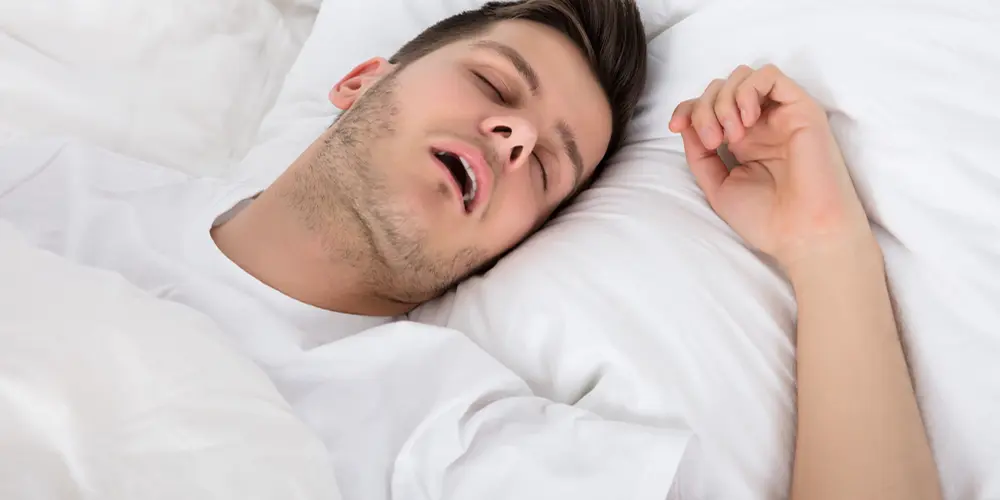
Why Does Snoring Happen
During sleep, the muscles supporting the tongue, soft palate, and throat naturally relax. If the airway becomes too narrow, airflow becomes turbulent, causing nearby tissues to vibrate. The resulting sound can vary from mild and occasional to loud and persistent depending on the degree of obstruction.
Several factors influence airway size, including body weight, sleeping position, alcohol use before bedtime, aging, nasal blockage, allergies, smoking, and structural differences in the nose or throat. Because these factors vary from person to person, identifying the underlying reason is essential before choosing the most appropriate treatment.
Understanding what causes snoring is an important first step in developing an effective management plan.
Common Risk Factors
Anyone can experience occasional nighttime airway vibration, but certain characteristics increase the likelihood of ongoing symptoms.
Common risk factors include:
- Excess body weight
- Chronic nasal congestion
- Seasonal allergies
- Enlarged tonsils or adenoids
- Sleeping flat on the back
- Alcohol consumption before bedtime
- Smoking
- Natural age-related muscle relaxation
- A family history of airway narrowing
Having one or more of these factors does not necessarily mean a serious condition is present, but it does increase the likelihood of persistent symptoms.
What Causes Snoring in Males and Females?
Although the underlying mechanism is similar, biological differences can influence how often it occurs. Men generally have narrower upper airways and larger neck circumferences, increasing the likelihood of airflow restriction during sleep. Women may notice changes during pregnancy or after menopause because hormonal shifts can reduce muscle tone surrounding the airway. Lifestyle factors such as weight gain, nasal allergies, and alcohol use may contribute in both sexes.
Recognizing these differences allows healthcare providers to recommend care that is tailored to everyone’s needs.
What Are Different Types of Snoring
Different breathing patterns during sleep may provide important clues about the source of airway obstruction.
Different types of snoring include:
- Nasal: Often associated with allergies, congestion, or structural blockage inside the nose.
- Mouth: More common in people who sleep with an open mouth because of nasal breathing difficulty.
- Tongue-based: Develops when the tongue relaxes backward and narrows the airway.
- Palatal or throat-related: Occurs when tissues toward the back of the mouth vibrate and may require further evaluation if symptoms are frequent.
A comprehensive sleep assessment can help determine which pattern is present and whether additional testing is appropriate.
What Type of Snoring Is Dangerous?
One of the most common questions people ask is what type of snoring is dangerous.
Among the different patterns, palatal (throat-related) snoring is more likely to be associated with obstructive sleep apnea because it often results from airway narrowing at the back of the throat.
However, no type should be considered harmless based on its sound alone. Loud, frequent snoring of any kind, especially when accompanied by choking, gasping, repeated pauses in breathing, excessive daytime sleepiness, or morning headaches, should be evaluated by a sleep specialist to determine whether an underlying sleep disorder is present.
Is Snoring Bad
Although occasional nighttime breathing noise is usually not a cause for concern, many people wonder, is snoring bad? The answer depends on how often it occurs and whether it is linked to an underlying sleep disorder. Persistent symptoms should not be dismissed. Repeated airflow restriction may reduce sleep quality, contribute to fragmented rest, and leave individuals feeling tired despite spending enough time in bed.
Over time, untreated sleep-related breathing problems may affect concentration, mood, daily performance, and cardiovascular health. Seeking medical advice early allows potential concerns to be identified before they become more significant.
Is Snoring Normal
Occasional episodes related to temporary nasal congestion, seasonal allergies, fatigue, or sleeping in an unusual position are fairly common. However, symptoms that occur regularly, become progressively louder, or are accompanied by excessive daytime sleepiness deserve medical attention rather than being accepted as a normal part of aging.
Does Snoring Cause Sleep Apnea?
The answer is no. Rather than one condition causing the other, both may result from narrowing of the upper airway during sleep. Many individuals diagnosed with obstructive sleep apnea also experience loud nighttime breathing sounds, but not everyone with this symptom has sleep apnea. A comprehensive sleep evaluation is the most reliable way to determine the underlying cause.
When Should You Schedule an Evaluation?
Occasional nighttime breathing sounds may not require medical care, but certain symptoms should never be ignored.
Consider scheduling an appointment if you experience:
- Loud symptoms most nights of the week
- Excessive daytime sleepiness
- Morning headaches
- Difficulty concentrating
- Restless or non-restorative sleep
- Reports from a bed partner of gasping, choking, or pauses in breathing
Receiving an evaluation early allows healthcare providers to identify potential sleep disorders before they begin affecting your long-term health and quality of life.
Snoring Treatment
Sleep Better. Snore Less.
Get personalized snoring treatment from experienced sleep specialists and enjoy more restful nights.
Snoring Diagnosis
Healthcare providers begin by reviewing your symptoms, medical history, sleep habits, medications, and lifestyle. A physical examination may identify factors such as nasal obstruction or enlarged tissues that contribute to airway narrowing.
If a sleep-related breathing disorder is suspected, an overnight sleep study may be recommended. This test measures breathing patterns, oxygen levels, heart rate, and sleep stages, helping specialists develop an accurate diagnosis and personalized care plan.
Choosing the Right Treatment for Snoring
The most effective snoring treatment depends on the underlying cause rather than the sound itself. Some people improve with lifestyle changes, while others may benefit from different sleep health solutions such as oral appliance therapy, treatment for nasal obstruction, or additional therapies recommended after a sleep evaluation.
Lifestyle Changes That Can Make a Difference
Healthy habits play an important role in improving nighttime breathing and supporting better sleep. While lifestyle changes may not resolve every case, they are often recommended as part of a comprehensive treatment plan.
If you’re wondering how to stop snoring, begin by identifying the factors that may be narrowing your airway during sleep. Maintaining a healthy weight, avoiding alcohol close to bedtime, managing allergies, sleeping on your side, staying physically active, and following a consistent sleep schedule can all help improve airflow.
Some people also search for how to stop snoring immediately, but there is rarely a universal overnight solution. Temporary measures, such as changing your sleeping position or relieving nasal congestion, may provide short-term relief, but lasting improvement depends on addressing the underlying cause.
Another common question is how to fix snoring. The answer varies from person to person. Mild cases may improve with lifestyle modifications alone, while others require oral appliance therapy, CPAP alternatives, or additional medical treatment after a comprehensive sleep evaluation.
Snoring Treatment
Sleep Better. Snore Less.
Get personalized snoring treatment from experienced sleep specialists and enjoy more restful nights.
Final Thoughts
Although occasional nighttime breathing sounds can be harmless, persistent symptoms should not be ignored. Identifying the underlying cause is the key to improving sleep quality, reducing daytime fatigue, and protecting your long-term health. The sooner an evaluation is performed, the sooner an effective treatment plan can begin.
At Denver Sleep Center, we are committed to helping patients achieve healthier, more restorative sleep through comprehensive evaluations, advanced diagnostic testing, and evidence-based treatment. If persistent nighttime breathing concerns are affecting your sleep or daily life, our experienced team is here to provide personalized care and guide you toward lasting relief.
Frequently Asked Questions
Does mouth tape help with snoring?
It may benefit a small number of people who primarily breathe through their mouth during sleep, but it is not appropriate for everyone. Individuals with suspected airway obstruction or other sleep-related breathing disorders should speak with a healthcare provider before trying this approach.
How to reduce snoring?
You can start with healthy lifestyle changes such as maintaining a healthy weight, treating nasal congestion, avoiding alcohol before bedtime, and improving your sleep position. If symptoms continue despite these efforts, a professional evaluation is recommended.
Can you have sleep apnea without snoring?
Yes, you can. Although many individuals with obstructive sleep apnea snore, some experience repeated breathing interruptions without producing noticeable nighttime noise. That is why symptoms such as excessive daytime fatigue or witnessed breathing pauses should always be evaluated.
Is snoring genetic?
Research suggests that inherited traits, including airway anatomy and facial structure, can increase the likelihood of developing this condition. However, lifestyle factors, aging, and body weight also play important roles.
Does a humidifier help with snoring?
A humidifier may provide relief when dry air or temporary nasal irritation contributes to nighttime symptoms, but it is unlikely to resolve problems caused by structural airway narrowing or an underlying sleep disorder.
