
But the noise is not always the real problem.
Snoring happens when air struggles to move through a narrowed upper airway during sleep. The surrounding tissues vibrate as air passes, creating the familiar sound. Occasional snoring may not signal a major health issue. However, loud or frequent snoring can sometimes point to obstructive sleep apnea or another sleep-related breathing problem. So, what causes snoring in the first place? The answer depends on what is narrowing the airway, your sleep position, nasal health, anatomy, lifestyle, and other factors.
AI Overview: What Causes Snoring?
Snoring occurs when the upper airway becomes narrower during sleep. Relaxed tissues in the throat, soft palate, tongue, or nasal passages can vibrate as air moves through. Common triggers include sleeping on your back, nasal congestion, alcohol, excess weight, airway anatomy, aging, and sleep deprivation. Persistent or very loud snoring may also occur with obstructive sleep apnea and deserves medical evaluation.
Key Takeaways
- What causes snoring often comes down to partial airway narrowing during sleep.
- Sleeping on your back can make snoring louder.
- Nasal congestion, allergies, alcohol, and certain anatomical features can contribute.
- Occasional snoring is common, but persistent snoring deserves more attention.
- Loud snoring with gasping, choking, or breathing pauses can indicate sleep apnea.
- Treatment depends on the underlying cause, not simply the volume of the snoring.
Disclaimer:
This content is for informational and educational purposes only and is not a substitute for professional medical advice, diagnosis, or treatment. If you experience persistent or loud snoring, breathing pauses, gasping, choking, or excessive daytime sleepiness, consult a qualified healthcare professional or sleep specialist for proper evaluation.
What Is Snoring?
Snoring is a sound produced when relaxed tissues in the upper airway vibrate during breathing.
When you fall asleep, muscles in your tongue, soft palate, and throat naturally relax. For some people, that relaxation narrows the airway. Air then moves through the smaller opening with greater force, causing surrounding tissues to vibrate.
That vibration creates the sound you hear as snoring.
This explains what makes you snore, but it does not explain why the airway becomes narrow in the first place.
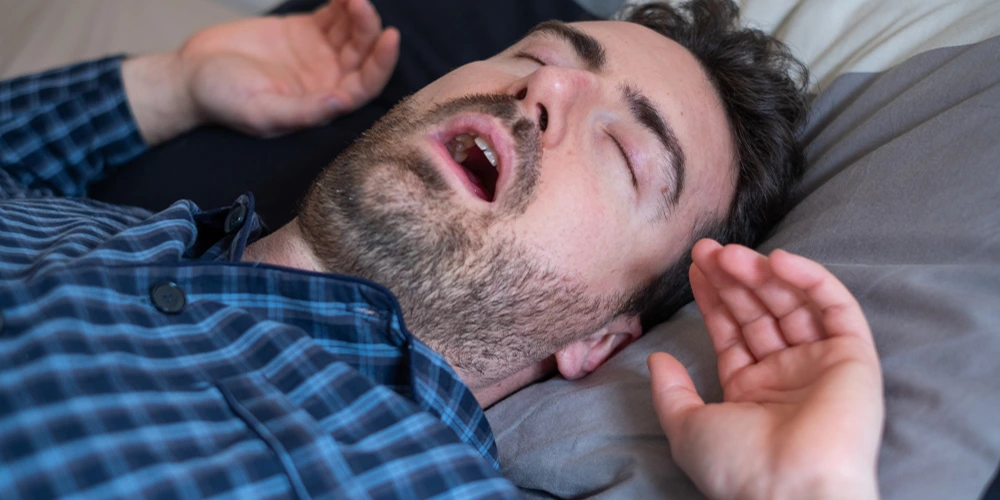
What Causes Snoring? 5 Common Reasons
There is rarely one universal reason for snoring. Two people may sound equally loud but have completely different underlying causes.
Here are some of the most common contributors.
1. Sleeping on Your Back
Your sleeping position can change the shape of your airway.
When you lie on your back, gravity can allow the tongue and soft tissues to move backward. This may reduce the space available for airflow and make snoring louder.
2. Nasal Congestion
A blocked nose makes breathing harder.
Allergies, colds, chronic congestion, sinus problems, and structural issues such as a deviated septum can restrict nasal airflow. When nasal breathing becomes difficult, you may breathe through your mouth during sleep.
3. Alcohol Before Bed
Alcohol relaxes the muscles around the upper airway.
As a result, tissues may collapse more easily during sleep. Alcohol can therefore make existing snoring worse, particularly when consumed close to bedtime.
If you notice louder snoring after drinking, this could be part of your reason for snoring.
4. Airway Anatomy
Your anatomy can influence how easily air moves during sleep.
A narrow airway, enlarged tonsils, a long soft palate, or an elongated uvula may leave less room for airflow.
Some people naturally have airway structures that make snoring more likely. Genetics can also influence airway anatomy and sleep apnea risk.
5. Obstructive Sleep Apnea
This is one of the most important causes to recognize.
Obstructive sleep apnea occurs when throat muscles relax, and the airway repeatedly narrows or closes during sleep. Breathing may stop or become significantly reduced before the brain briefly wakes the person to restore airflow.
Is Snoring Normal?
Occasional snoring can be normal.
A cold, allergy flare-up, alcohol, sleep deprivation, or sleeping on your back can temporarily make you snore.
The bigger question is whether the snoring happens regularly and whether other symptoms appear with it.
So, is snoring normal when it happens every night?
Not necessarily. Frequent, loud snoring may signal airway obstruction or obstructive sleep apnea.
Is Snoring Bad?
Snoring itself does not automatically mean something is wrong.
However, is snoring bad when it becomes loud and persistent? It can be a warning sign.
Simple snoring may mainly disturb your sleep or your partner’s sleep. Snoring linked to obstructive sleep apnea deserves greater attention because untreated OSA is associated with cardiovascular and metabolic health problems.
This is why the reason for snoring matters more than the sound itself.
Snoring Treatment
Sleep Better. Snore Less.
Get personalized snoring treatment from experienced sleep specialists and enjoy more restful nights.
What Are the Different Types of Snoring?
Snoring can originate from different areas of the upper airway.
Denver Sleep Apnea Center’s existing guide identifies several patterns, including nasal, mouth, tongue-based, throat, positional, and sleep apnea-related snoring.
For example:
- Nasal snoring: Often relates to congestion or restricted nasal airflow.
- Mouth snoring: May occur when nasal breathing becomes difficult.
- Tongue-based snoring: The tongue can move backward during sleep and narrow the airway.
- Positional snoring: Often becomes worse while sleeping on the back.
- Sleep apnea-related snoring: May occur alongside pauses in breathing, choking, or gasping.
The pattern can offer clues, but only a proper evaluation can determine the underlying problem.
How Does Snoring Affect Your Health?
A loud snore can annoy your partner.
But how does snoring affect your health when it happens night after night?
The answer depends heavily on whether an underlying sleep disorder is present.
Persistent snoring may contribute to fragmented sleep and daytime tiredness. More importantly, when snoring accompanies obstructive sleep apnea, repeated breathing interruptions can affect oxygen levels and sleep quality.
You may notice:
- Morning headaches
- Daytime sleepiness
- Difficulty concentrating
- Irritability
- Restless sleep
- Dry mouth or sore throat
- Gasping or choking during sleep
- Reduced quality of life
When to Worry About Snoring?
Knowing when to worry about snoring can help you avoid ignoring an important warning sign.
Consider speaking with a healthcare professional if you:
- Snore most nights loudly.
- Stop breathing or appear to stop breathing during sleep.
- Wake up choking or gasping.
- Feel excessively tired during the day.
- Have high blood pressure.
- Wake repeatedly throughout the night.
- Your partner notices unusual breathing patterns.
How to Stop Snoring?
The best way to reduce snoring depends on its cause.
For mild, occasional snoring, practical changes may help:
Sleep on your side.
- Avoid alcohol close to bedtime.
- Maintain consistent sleep habits.
- Address persistent nasal congestion.
- Avoid smoking.
Snoring Treatment: What Are Your Options?
No single snoring treatment works for everyone.
A sleep professional first needs to understand why the airway narrows.
Depending on the findings, treatment may involve lifestyle changes, positional strategies, treatment for nasal problems, CPAP, oral appliances, or other therapies.
Oral Appliance Therapy
Oral Appliance Therapy uses a custom dental device worn during sleep.
Certain appliances reposition the lower jaw or tongue to help keep the airway open. Denver Sleep Apnea Center offers custom oral appliance therapy for snoring and obstructive sleep apnea in Denver.
This option can be particularly appealing to people who want a compact, non-invasive alternative to CPAP.
Alesis OSA1 Treatment
Denver Sleep Apnea Center also offers Alesis OSA1 Treatment, an FDA-cleared prescription device that uses photonic light energy as part of its approach to treating obstructive sleep apnea. The center states that candidacy begins with a sleep study confirming OSA and an AHI of at least 5.
Why a Sleep Evaluation Matters?
You cannot identify the cause of snoring simply by listening to it.
A sleep evaluation can help determine whether you have primary snoring, obstructive sleep apnea, or another sleep-related breathing condition.
Home sleep testing can also make evaluation more convenient. Denver Sleep Apnea Center offers home sleep testing using devices such as WatchPAT One and ResMed ApneaLink Air.
This can be especially useful for people who want to complete the initial assessment in their own bedroom.
Snoring Treatment
Sleep Better. Snore Less.
Get personalized snoring treatment from experienced sleep specialists and enjoy more restful nights.
Find the Cause of Your Snoring in Denver
Snoring may sound harmless, but your nighttime breathing can tell you something important about your airway.
If you have been asking what causes snoring, the answer may involve your sleep position, nasal passages, anatomy, lifestyle, or an underlying sleep disorder. The right next step depends on finding the actual cause.
At Denver Sleep Apnea Center, patients in Denver and across Colorado can access personalized sleep care, including home sleep testing, oral appliance therapy, CPAP alternatives, and other non-invasive treatment options. The practice is led by Dr. Steven Wilk, who specializes in Dental Sleep Medicine and Orofacial Pain.
Frequently Asked Questions
What are the best solutions for snoring?
The best solution depends on the cause. Positional changes, treating nasal congestion, reducing alcohol before bed, oral appliance therapy, and sleep apnea treatment may help different patients. Persistent snoring should be evaluated rather than treated with a one-size-fits-all approach.
How to stop insanely loud snoring?
Start by identifying why the snoring is so loud. Sleeping on your side, avoiding alcohol before bed, and addressing nasal congestion may help. If loud snoring occurs with gasping or breathing pauses, seek a sleep evaluation because obstructive sleep apnea may be involved.
What is the best sleeping position to stop snoring?
Side sleeping often works better than back sleeping because lying on your back can allow the tongue and soft tissues to move backward and narrow the airway.
What is the ideal sleep clinic in Colorado?
The right sleep clinic should offer appropriate evaluation, qualified providers, and treatment options suited to your condition. Denver Sleep Apnea Center provides sleep care in Denver under Dr. Steven Wilk, a triple board-certified specialist in Orofacial Pain and Dental Sleep Medicine with more than 40 years of experience.
