
Key Takeaways:
- Sleep disordered breathing involves multiple conditions, not just snoring.
- Hidden airway blockages ruin sleep quality and drain daytime energy.
- Frequent overnight oxygen drops cause long-term cardiovascular stress.
- Treatments range from lifestyle changes and oral appliances to CPAP.
Quick Answer
This guide explains sleep disordered breathing variations like sleep apnea and UARS. Learn to recognize warning signs beyond snoring, discover risks like cardiovascular stress, and find personalized treatment options.
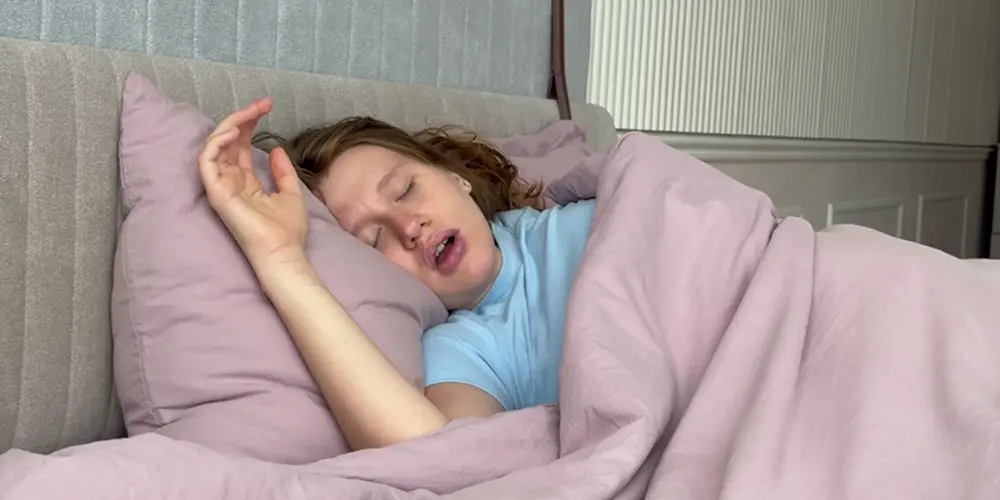
Sleep disordered breathing is an umbrella term for several conditions that interrupt normal breathing during sleep. Some are mild, while others can affect oxygen levels, sleep quality, and overall health.
In this guide, we will explain what is sleep disordered breathing, look at the different conditions it includes, discuss common warning signs, and explore when it may be time to seek professional care.
What Is Sleep Disordered Breathing?
Sleep should be the time when your body rests, repairs itself, and prepares for the next day. However, that process becomes much harder when breathing repeatedly slows down or stops during the night.
Simply put, sleep disordered breathing describes a group of conditions that make it difficult to breathe normally while sleeping. These conditions vary in severity.
Some people experience mild airflow restriction, while others have repeated pauses in breathing that can happen dozens of times each hour.
You might be wondering why this matters if you rarely wake up during the night. Well, here is the thing. Your brain often reacts to these breathing problems by briefly waking you, even if you never remember it the next morning. As a result, your sleep becomes fragmented, and your body misses out on the deep, restorative rest it needs.
Over time, interrupted breathing can contribute to:
- Poor sleep quality.
- Daytime tiredness.
- Difficulty focusing.
- Morning headaches.
- Mood changes.
- Lower energy levels.
Many people live with these symptoms for years because they assume they are simply getting older or dealing with a busy schedule. In reality, breathing problems during sleep may be the missing piece of the puzzle.
The good news is that identifying the condition is often the first step toward sleeping better. Before discussing treatment options, it helps to understand the types of sleep disordered breathing and how they differ from one another.
Types of Sleep Disordered Breathing You Should Know
Not every breathing disorder during sleep looks the same. Some conditions mainly create noise, while others reduce airflow or oxygen levels without much warning. Knowing the differences can make conversations with a healthcare provider much more productive.
Snoring
Snoring happens when airflow causes tissues in the throat to vibrate during sleep. Many people snore occasionally after a long day, during allergy season, or when sleeping on their back.
So, is snoring bad? Not always.
Occasional snoring is common and may not indicate medical concern. However, loud, frequent, or worsening snoring can sometimes signal a more serious breathing problem, especially when it is paired with gasping, choking, or excessive daytime fatigue.
You should pay closer attention if snoring is accompanied by:
- Pauses in breathing noticed by a partner.
- Waking up gasping for air.
- Morning headaches.
- Feeling exhausted despite sleeping through the night.
- Difficulty staying awake during the day.
Hypopnea
Unlike complete breathing pauses, Hypopnea refers to a partial blockage of the airway that significantly reduces airflow.
Although breathing does not stop completely, your body still receives less oxygen than it should. Your brain often responds by briefly waking you to restore normal breathing, interrupting healthy sleep without you realizing it.
People experiencing hypopnea may notice:
- Unrefreshing sleep
- Daytime sleepiness
- Reduced concentration
- Frequent nighttime awakenings
Nocturnal Hypoxemia
Nocturnal hypoxemia occurs when oxygen levels drop during sleep for extended periods.
This condition can develop alongside other breathing disorders or certain medical conditions affecting the lungs or heart. Since oxygen is essential for every organ in the body, repeated overnight drops may place extra stress on the cardiovascular system over time.
Common warning signs include:
- Morning fatigue.
- Restless sleep.
- Frequent awakenings.
- Shortness of breath after waking.
- Persistent daytime exhaustion.
Sleep Apnea
Among all breathing disorders, Sleep apnea is one of the most recognized.
In fact, an estimated 936 million adults worldwide are living with mild to severe obstructive sleep apnea, making it one of the most common sleep-related breathing disorders.
People with this condition experience repeated pauses in breathing throughout the night. These pauses may last several seconds before normal breathing resumes, often with a gasp or snort.
Because these interruptions happen repeatedly, sleep quality suffers even when someone spends enough hours in bed.
Some common risk factors include:
- Excess weight.
- Aging.
- Family history.
- Certain facial or airway structures.
- Smoking.
- Alcohol use before bedtime.
Upper Airway Resistance Syndrome (UARS)
Upper airway resistance syndrome (UARS) is less widely known, yet it can significantly affect sleep quality.
Instead of completely blocking airflow, the airway becomes narrower, making breathing more difficult. The body works harder to pull air into the lungs, causing frequent sleep disruptions even though oxygen levels may remain fairly normal.
Many people with UARS describe feeling tired every morning despite believing they slept through the night. This is one reason breathing-related sleep problems sometimes go undiagnosed for years.
At-a-Glance Comparison
Although these conditions differ, they often share similar warning signs. That is why understanding the symptoms is just as important as knowing the diagnosis.
What Are the Common Sleep Disordered Breathing Symptoms?
One of the biggest challenges with sleep disordered breathing symptoms is that they often develop slowly. Many people adjust to feeling tired or waking up with headaches because the changes happen over months or even years.
Sometimes, a bed partner notices the problem before the person experiencing it does. They may hear loud snoring, long pauses in breathing, or frequent gasping during the night. Meanwhile, the person sleeping may have no memory of these events.
If any of the following sound familiar, it may be worth discussing them with a sleep specialist:
- Loud or frequent snoring.
- Gasping or choking while sleeping.
- Morning headaches.
- Dry your mouth after waking.
- Daytime sleepiness.
- Difficulty concentrating.
- Restless sleep.
- Waking up several times during the night.
- Mood changes or irritability.
- Feeling tired even after a full night’s sleep.
Snoring is often the most noticeable symptom of sleep-disordered breathing, although not everyone who snores has an underlying sleep disorder. Learning about the types of snoring can help distinguish harmless snoring from signs of an underlying sleep-related breathing disorder.
Sleep Disorder Treatment
Sleep Better. Live Better.
Get personalized treatment for insomnia, sleep apnea, snoring, and other sleep disorders to enjoy healthier, more restorative sleep.
Quick Symptom Guide
The important thing to remember is that no single symptom confirms a diagnosis. Looking at the full picture helps determine whether further evaluation is needed.
Sleep Disordered Breathing Treatment: What Are Your Options?
The good news is that sleep disordered breathing treatment is not one-size-fits-all. The right approach depends on the specific condition, its severity, your overall health, and your lifestyle.
It may seem tempting to ignore symptoms if they come and go. However, treating the underlying cause rather than masking the symptoms often leads to better sleep and improved daily functioning.
Depending on the diagnosis, treatment may include:
- Lifestyle changes, such as weight management or reducing alcohol before bedtime.
- Sleeping in a different position to improve airflow.
- Oral appliance therapy to help keep the airway open.
- CPAP therapy for certain cases of sleep apnea.
- Ongoing monitoring to make sure treatment continues to work.
Some people notice improvements fairly quickly, while others require adjustments before finding the option that works best. Every situation is different, which is why a proper evaluation is so valuable.
The first step is understanding what is happening during sleep. Once that becomes clear, choosing the right treatment becomes much easier.
How Denver Sleep Center Helps You Find the Right Sleep Solution
Learning that you may have a breathing-related sleep condition can feel overwhelming. Fortunately, you do not have to figure it out on your own.
At Denver Sleep Center, we begin by listening. Every person experience sleep problem differently, so we take the time to understand your symptoms, medical history, and concerns before recommending a plan.
Our team provides thorough evaluations to identify the cause of your breathing difficulties rather than simply treating the symptoms. From there, we recommend care that fits your individual needs.
Depending on your diagnosis, we may help with:
- Sleep Solutions designed around your specific condition.
- Evaluation and care for sleep apnea.
- Assessment and treatment for persistent snoring.
- Care for Headaches & TMJ Disorders that may be connected to disrupted sleep.
- Continue following up to monitor your progress.
- Convenient access through our clinic locations.
Our goal is simple. We want to help you sleep better, breathe more comfortably, and wake up feeling rested instead of exhausted.
Sleep Disorder Treatment
Sleep Better. Live Better.
Get personalized treatment for insomnia, sleep apnea, snoring, and other sleep disorders to enjoy healthier, more restorative sleep.
Conclusion
Snoring is often the first thing people notice, but it is only one part of the bigger picture. Sleep disordered breathing includes several conditions that can quietly affect sleep quality, energy levels, and overall health.
Understanding the different variations and recognizing early symptoms can make it easier to know when something is not quite right. The more you know about these conditions, the better prepared you are to make informed decisions about your sleep health.
Frequently Asked Questions
Who is a sleep disordered breathing specialist near me?
A qualified sleep specialist or dental sleep medicine expert, like the team at Denver Sleep Center, can evaluate and treat sleep disordered breathing variations.
What is sleep disordered breathing in children?
In children, it refers to abnormal breathing patterns during sleep, often caused by enlarged tonsils, leading to snoring, mouth breathing, behavioral issues, and fragmented rest.
What are the benefits of sleep disordered breathing treatment?
Successful treatment restores overnight oxygen levels, eliminates loud snoring, prevents morning headaches, reduces cardiovascular stress, and improves daytime energy, focus, and overall mood.
Is sleep disordered breathing sleep apnea?
Sleep apnea is just one type. Sleep disordered breathing is a broader umbrella term that also includes snoring, hypopnea, nocturnal hypoxemia, and UARS.
What is a risk factor in sleep disordered breathing?
Key risk factors include excess body weight, aging, family history, smoking, alcohol use before bed, and specific narrow facial or upper airway structures.
