
Sometimes, it points to a narrowed airway or an underlying sleep disorder. The good news is that several practical changes can reduce mild snoring. If the problem keeps coming back, professional evaluation can help identify the real cause.
Key Takeaways
- Snoring happens when relaxed airway tissues vibrate as you breathe.
- Sleeping position can make snoring worse.
- Alcohol and sleep deprivation can increase airway relaxation.
- Nasal congestion may contribute to mouth breathing and snoring.
- Weight management may help some people reduce snoring.
- Mouth taping is not a substitute for evaluating airway problems.
- Frequent snoring with choking, gasping, or breathing pauses deserves medical attention.
- A customized treatment plan can address the underlying cause instead of only masking the sound.
AI Overview
To stop snoring, start by addressing common triggers such as sleeping on your back, nasal congestion, alcohol before bedtime, sleep deprivation, and excess weight. Side sleeping, treating nasal blockage, improving sleep habits, and maintaining a healthy weight may help. Persistent or loud snoring, especially with gasping or pauses in breathing, can signal obstructive sleep apnea and needs professional evaluation. Depending on the cause, treatment may include a custom oral appliance, CPAP, or other therapies.
What Is Snoring?
Snoring is the sound created when air moves through a partially narrowed upper airway during sleep. As the muscles of the tongue, soft palate, and throat relax, the surrounding tissues can vibrate. That vibration creates the familiar snoring sound.
Occasional snoring can happen after a cold, during allergy season, after drinking alcohol, or following a night of poor sleep. However, frequent snoring deserves more attention.
The cause matters.
A person who snores because of nasal congestion may need a different approach than someone whose tongue moves backward and narrows the airway during sleep.
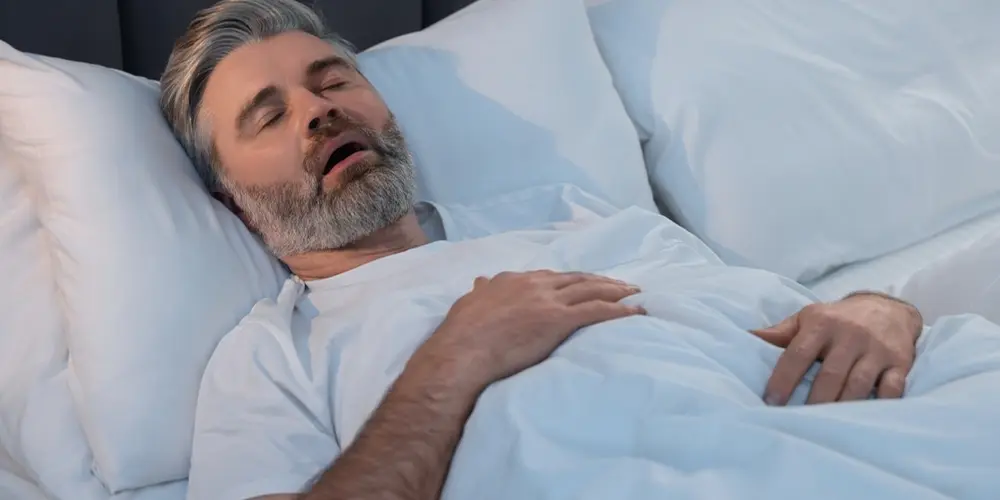
Types of Snoring
Snoring does not always sound or behave the same way. Common patterns include:
- Nasal snoring: Congestion, allergies, or a deviated septum restrict nasal airflow.
- Mouth snoring: Nasal blockage or mouth breathing contributes to vibration.
- Tongue-based snoring: The tongue moves backward during sleep and narrows the airway.
- Throat snoring: Relaxed tissues around the soft palate and throat create vibration.
- Positional snoring: Snoring becomes worse when you sleep on your back.
- Sleep apnea-related snoring: Loud snoring may occur alongside pauses in breathing, gasping, or choking.
Understanding the pattern can help point toward the right solution. Denver Sleep Center also discusses the different types of snoring and their potential causes in its detailed guide.
Is Snoring Bad?
Not every snorer has a medical problem. Still, frequent and loud snoring can sometimes indicate obstructive sleep apnea.
Pay attention if your snoring comes with:
- Breathing pauses during sleep
- Gasping or choking
- Excessive daytime sleepiness
- Morning headaches
- Trouble concentrating
- Restless sleep
- High blood pressure
- Waking with a dry or sore throat
These symptoms can point toward sleep-disordered breathing. A sleep evaluation can help determine whether your snoring is simply disruptive or part of a larger problem.
4 Easy Ways to Reduce Snoring
Not every solution works for every person. Your best approach depends on what narrows your airway at night.
1. Change Your Sleeping Position
Back sleeping can make snoring worse because gravity encourages the tongue and soft tissues to move toward the back of the throat.
Try sleeping on your side instead.
You can also make side sleeping easier by:
- Using a supportive body pillow
- Placing a pillow behind your back
- Choosing a comfortable pillow that keeps your neck aligned
- Avoiding a sleeping position that pushes your chin toward your chest
Positional changes often make sense as a first step for people whose snoring clearly worsens on their backs.
2. Address Nasal Congestion
A blocked nose can make breathing harder. You may naturally switch to mouth breathing, which can contribute to snoring.
If allergies or congestion trigger your symptoms, consider discussing appropriate treatment with a healthcare professional.
Depending on the cause, options may include:
- Saline nasal rinses
- Allergy management
- Nasal strips
- Treatment for chronic nasal congestion
- Evaluation for structural nasal problems
Nasal strips may help some people breathe more easily through the nose. However, they do not treat obstructive sleep apnea.
3. Watch Your Evening Alcohol Intake
That nightcap may feel relaxing, but it can make snoring worse.
Alcohol relaxes the muscles around the upper airway. This can increase airway narrowing during sleep. The effect may become more noticeable when you drink close to bedtime.
If you notice louder snoring after drinking, try reducing alcohol in the hours before bed and compare your sleep.
This simple change can be one of the practical ways to stop snoring for people whose symptoms have a clear connection with alcohol.
4. Give Your Body Enough Sleep
A late night followed by an early morning can do more than make you tired.
Sleep deprivation may increase muscle relaxation in the upper airway. That can make existing snoring worse.
Aim for a consistent sleep schedule and give yourself enough time for restorative sleep.
Also, avoid treating chronic sleepiness as something you simply need to push through. Persistent daytime sleepiness alongside loud snoring deserves attention.
Snoring Treatment
Sleep Better. Snore Less.
Get personalized snoring treatment from experienced sleep specialists and enjoy more restful nights.
Does Mouth Tape Stop Snoring?
A common question is, does mouth tape stop snoring?
The answer is not a simple yes.
Mouth taping has become popular online, but it does not address every cause of snoring. If your nose is blocked, forcing your mouth closed may make breathing uncomfortable. More importantly, mouth taping does not treat obstructive sleep apnea.
If you regularly wake with a dry mouth, sleep with your mouth open, or have loud snoring, look for the reason behind the mouth breathing rather than relying on tape.
However, when snoring is accompanied by breathing pauses, gasping, or choking, the concern may be more than simple mouth breathing or snoring.
Sleep Disordered Breathing
Snoring can occur alongside sleep-disordered breathing, a broader group of conditions involving abnormal breathing during sleep.
Obstructive sleep apnea is one important example. During an obstructive event, the upper airway resistance syndrome becomes narrowed or blocked even though the body continues trying to breathe.
The pattern may look like this:
- Airway narrows.
- Snoring becomes louder.
- Breathing becomes restricted.
- Breathing may briefly stop.
- The brain triggers an arousal.
- Breathing resumes, sometimes with a gasp or snort.
These events can repeat throughout the night. A person may not remember waking up, yet still feel tired the next day.
If someone tells you that you stop breathing during sleep, take that information seriously.
Because snoring can have different underlying causes, finding the reason behind it is often more important than simply trying to silence the sound.
Can You Stop Snoring Permanently?
People often search for how to stop snoring permanently, but there is no universal permanent cure.
Snoring can return if the underlying trigger returns. For example, congestion may come back during allergy season. Weight can change. Sleep apnea can progress. A device may also require adjustments over time.
Instead of chasing a guaranteed permanent fix, focus on identifying and treating the cause.
That is also why professional treatment for snoring can be more useful than repeatedly trying random internet hacks.
If your symptoms persist, a sleep specialist can help determine whether you need lifestyle changes, an oral appliance, CPAP, or another treatment.
When Should You See a Sleep Professional?
Do not ignore snoring that becomes loud, frequent, or disruptive.
Schedule an evaluation if you notice:
- Loud snoring most nights
- Witnessed breathing pauses
- Gasping or choking during sleep
- Significant daytime sleepiness
- Morning headaches
- Difficulty concentrating
- Persistent dry mouth
- High blood pressure
- Symptoms that continue despite lifestyle changes
A home sleep test may provide useful information when obstructive sleep apnea is suspected. Depending on the situation, your provider may recommend additional testing.
Denver Sleep Center provides home sleep testing as part of its diagnostic approach to sleep-related breathing concerns.
Snoring Treatment
Sleep Better. Snore Less.
Get personalized snoring treatment from experienced sleep specialists and enjoy more restful nights.
Conclusion
You do not have to accept loud snoring as your normal.
Try the simple changes first. Pay attention to patterns. Notice whether your snoring changes with your sleeping position, alcohol intake, congestion, or sleep schedule.
But if you still cannot stop snoring, do not keep cycling through unproven remedies.
For personalized sleep care in Denver, explore Denver Sleep Center’s Sleep Health Solutions or learn more about oral appliance therapy.
Frequently Asked Questions
What can I do to stop snoring?
Start with simple changes. Sleep on your side, avoid alcohol close to bedtime, treat nasal congestion, get enough sleep, and maintain a healthy weight when appropriate. If snoring remains loud or frequent, consider a sleep evaluation.
If I lose weight, will I stop snoring?
Weight loss may reduce snoring for people whose airway narrowing relates to excess weight. However, it does not guarantee that snoring will disappear. Other factors, such as nasal obstruction, anatomy, sleep position, and obstructive sleep apnea, can also contribute.
If I get my tonsils removed, will I stop snoring?
Not necessarily. Enlarged tonsils can narrow the airway, particularly in children, and removing them may help when they are the main cause. However, other factors can cause snoring. A healthcare professional should determine whether enlarged tonsils contribute to your symptoms before considering surgery.
How to stop someone snoring without waking them up?
There is no reliable trick that permanently stops another person from snoring without addressing the cause. You can gently encourage side sleeping if they are comfortable doing so. For frequent or loud snoring, encourage them to seek professional evaluation rather than relying on temporary fixes.
How to stop snoring while pregnant?
Pregnancy can contribute to nasal congestion and changes in the upper airway. Sleeping on your side may help, and managing nasal congestion with pregnancy-safe options can improve comfort. Speak with your obstetric provider before using medications or new treatments. If snoring becomes severe or occurs with breathing pauses, seek medical advice.
Disclaimer
This article is for informational and educational purposes only. It does not replace medical advice, diagnosis, or treatment from a qualified healthcare professional. Treatment decisions should be based on your individual symptoms, medical history, and sleep evaluation.
